Programming · By Dasun Wang ·
Crafting audio-visual experiences
Why I'm building Tessle, a festival-grade live visualizer for DJs, and what the science of awe says about music, light and crowds.
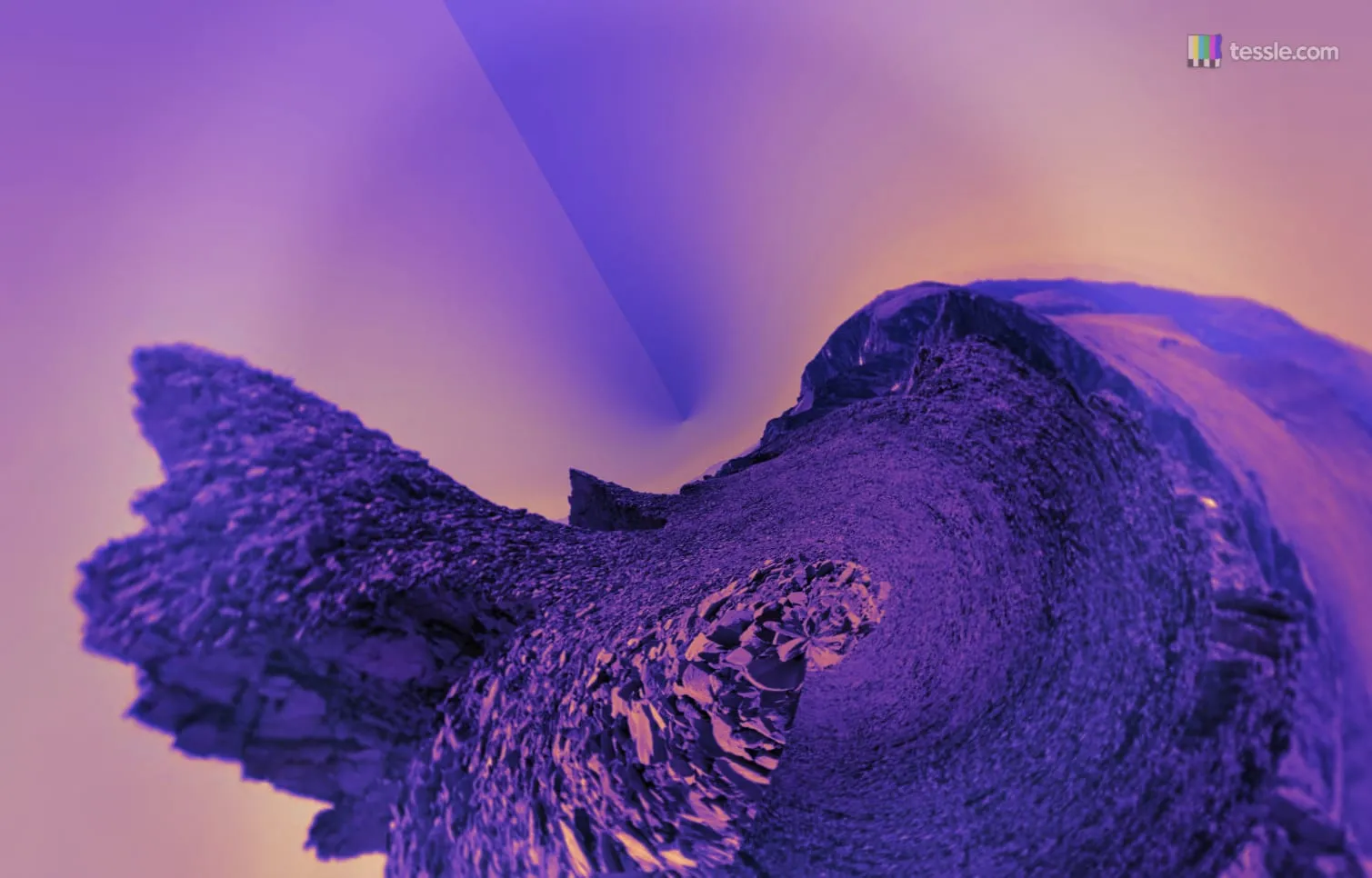
This post is adapted from my workshop talk Programming Audio-Visual Experiences. It covers why I think about technology the way I do, what the science of awe says about live music, and the visualizer, Tessle, I’ve been building because of both.
Who am I?
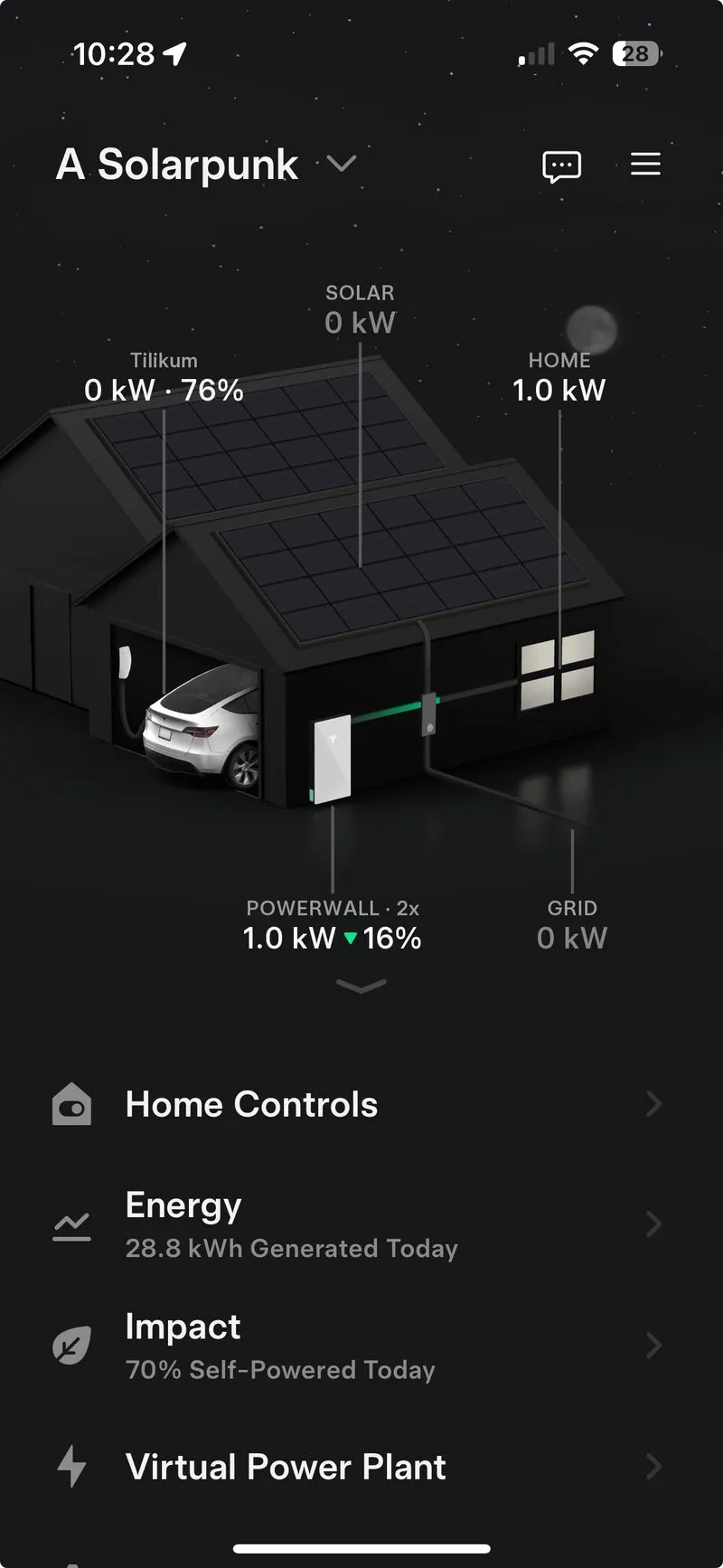
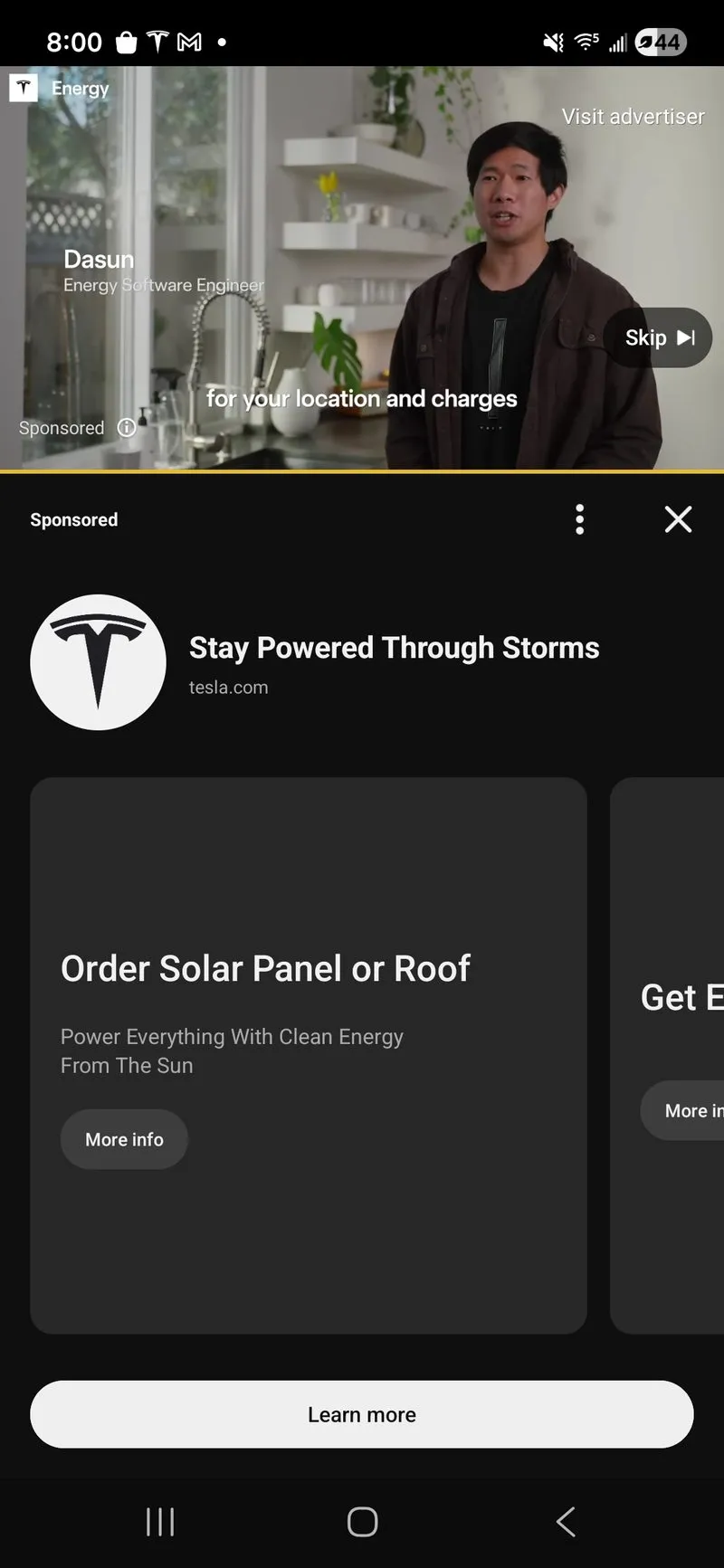
I’m a former staff software engineer at Tesla. For 10 years I led development of the Tesla Energy mobile app. I built the first commissioning experience for Tesla Energy devices and helped scale Powerwall installs from zero to more than a million users.
I care about every kind of human interface, from a phone screen to a dance floor. I’m also an aspiring music producer and a local DJ, which is where this project comes from.
My AI philosophy
I want to address the biggest elephant in the room for the music industry: AI. AI can already create unique music in any genre, create award-winning drawings, and be your on-demand, personal Spotify DJ. Where does that leave us artists?
“I refuse to let machines take full creative control.”
I want my tools to empower and explore human creativity, not replace it. If that means, I make things slower than the Suno slop machine, so be it. I want to build software for humans not machines.
I have a strong conviction that people will not want to listen to AI music or attend an AI concert. My life philosophy:
“Build technology that augments a meaningful life.”
First, how do we build a meaningful life?
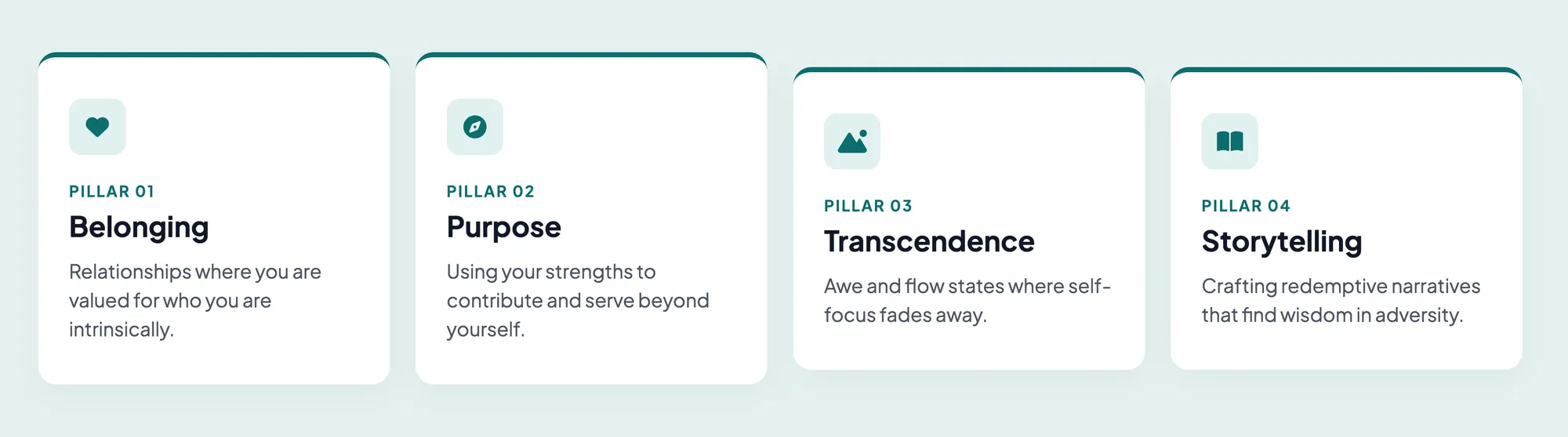
In her TED talk, Emily Esfahani Smith describes the four pillars of meaning:
- Belonging: relationships where you are valued for who you are.
- Purpose: using your strengths to contribute and serve beyond yourself.
- Transcendence: awe and flow states where self-focus fades away.
- Storytelling: crafting redemptive narratives that find wisdom in adversity.
For me, live music events touch all four pillars, and they’re one of my favorite parts of living in the Bay Area.
“Music is my religion.”
Case study: visualizers and awe
Dacher Keltner’s book Awe: The New Science of Everyday Wonder explains why a great show feels the way it does:
- Vastness: high-production concert visuals at Coachella, Outside Lands or Burning Man provide the sensory vastness that awe needs.
- Group belonging: audio-visual feedback loops bring a crowd into biological sync, with heartbeats and breathing lining up.
- The small self: immersive visuals dissolve individual boundaries and turn thousands of people into a single connected crowd.
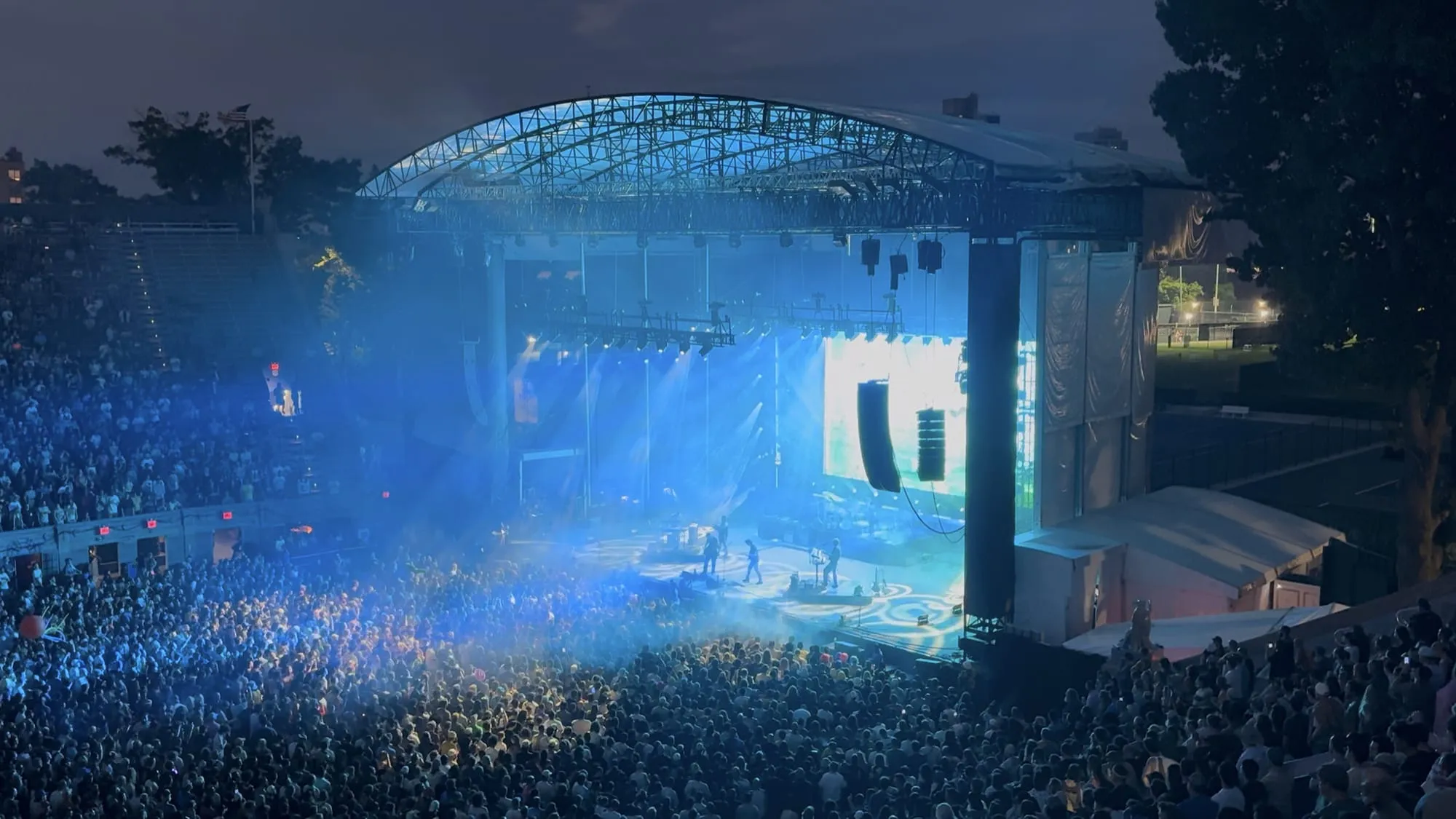
“Live music events are one of the best ways people build a meaningful life.”
So I asked:
“What if we could bring live music festival effects into local community spaces?”
Programming transcendence: Introducing Tessle
Tessle is my festival-grade visualizer for DJs. It’s still in a prelaunch phase, but it has already debuted on stages in New York City.
It works like Ableton for visuals: a WebGL and Three.js program that generates visuals from your images, video or live camera, synced to your music.
Tessle’s rich feature set
- Mix and match 150 effects for endless combinations.
- Turn still images into dynamic art.
- Use a live camera feed for Coachella-style effects.
- Re-record existing social content with audio-synced visuals. (I can’t stand music videos on YouTube that are one still image.)
- Sync to a DJ controller over MIDI for live performance, so you don’t need a separate VJ.
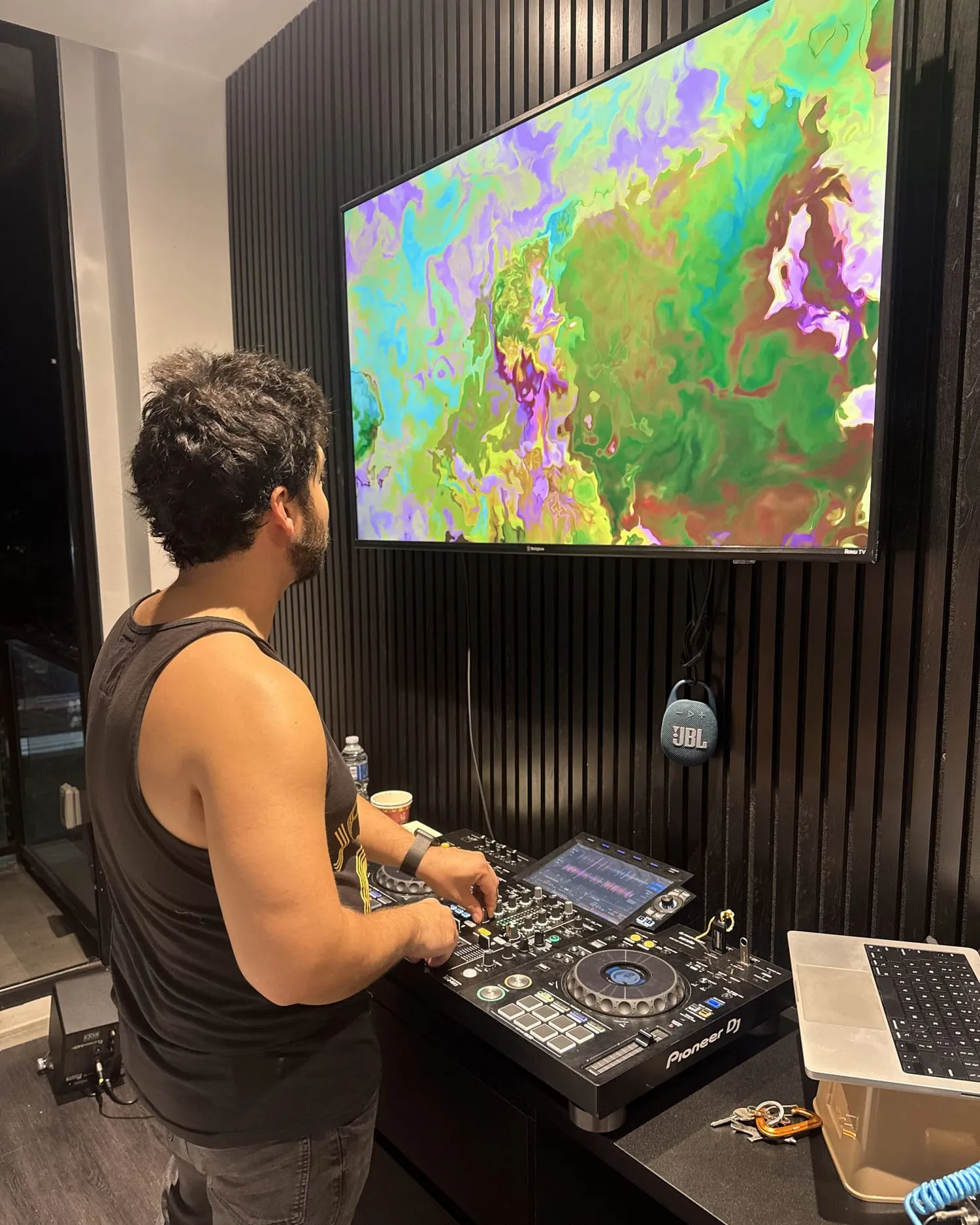
I’m thrilled to start this next chapter in audio-visual programming. My life’s mission is to make things people experience with all five senses. After 10 years on home battery systems, I’m diving headfirst into all things music.
Try Tessle. I’d love to hear what you think. Questions, or want to see it live? Get in touch.